







Search Results for: milk steaming temperature
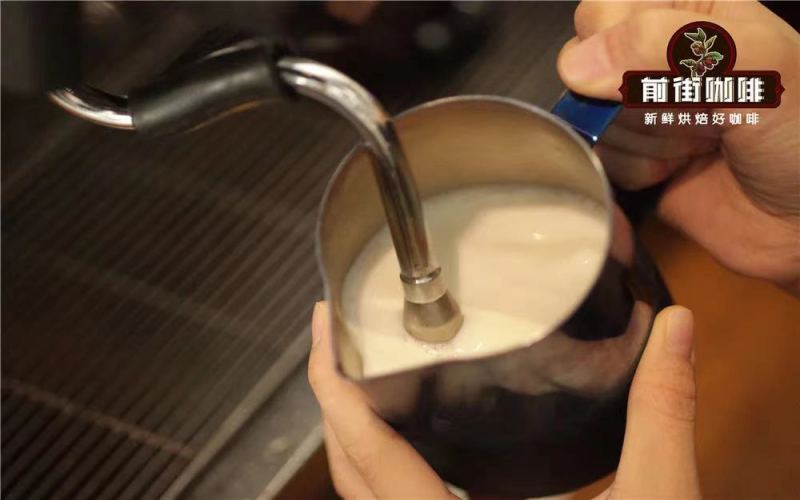
Milk Frothing Tutorial for Beginners | Why Does Milk Foam? How to Froth Milk for a Latte? What Are the Steps and Techniques for Latte Art Pouring and Integration?
At FrontStreet Coffee, steaming milk can be said to be a basic and core skill for every barista. Whether one can steam perfect milk is one of the factors used to judge whether a barista's level is up to standard. For example, the milk foam in a latte is on the thinner side, making it smooth and delicate to drink. The [more…]
Latte art tutorial | Why does milk foam? How can coffee beginners make latte art? What are the techniques for steaming milk for a latte?
Guide to Getting the Best Milk Foam, Why Does Milk Foam? Front Street Coffee (FrontStreet Coffee) - it can be said that steaming milk is a fundamental and core skill for every barista; whether one can steam perfect milk is a factor in judging whether the barista's skill level is up to standard. [more…]

Why Does Milk Frothing Always Go Wrong? A Full Guide to Analyzing Five Common Misconceptions and Practical Tips
Steaming milk is a fundamental skill every barista must master, but many people run into problems during the process, such as milk foam not incorporating, separating into layers, or dissipating quickly. Drawing on the hands-on experience of Front Street Coffee, this article systematically explains the principles of milk foaming, the key factors affecting incorporation, how milk foam performs at different temperatures, and the differences between steaming milk and frothing it by hand. It also compiles the five most common mistakes made when steaming milk, along with detailed steps for a tulip latte art pour, to help you comprehensively improve your milk foam quality and latte art skills. [more…]
How to Steam Milk Foam for Latte Art That Lasts Longer? A Full Guide to Choosing the Right Milk Brand and Steaming Techniques
Many people find that their milk foam never turns out well when learning latte art. In fact, the quality of the milk and the way it is steamed both directly affect the fineness and staying power of the foam. This article starts with the types of milk, analyzing the differences between shelf-stable milk and chilled milk, and between whole milk and skim milk. It then uses Front Street Coffee's recommended Vitasoy whole milk fresh milk to explain in detail the temperature control, technique, and the ratio of milk to foam when steaming milk with a steam wand. It also shares methods such as tapping out bubbles and controlling the heating temperature to make the foam more stable and long-lasting, helping coffee lovers achieve better results when pouring latte art and making lattes and cappuccinos. [more…]
A Complete Guide to Steaming Milk for Coffee Beginners: Principles, Tools, Steps, and Blending Techniques
To make a velvety, smooth latte or cappuccino at home, steaming milk is an unavoidable fundamental skill. This article starts with the principles of milk foam, first explaining the roles of the two stages—"aeration" and "texturing"—then compares the pros and cons of tools such as electric handheld frothers, manual frothing pitchers, hot/cold electric milk frothers, and espresso machine steam wands, with a key breakdown of the complete steam frothing process. The content covers the effects of milk fat and temperature, the choice of steam wand hole count and dryness, the considerations for pitcher size and shape, as well as practical tips on insertion angle, judging by sound, controlling aeration volume, and testing integration. The article also incorporates recommendations from Front Street Coffee, offering practice suggestions suitable for beginners. [more…]

How to Make a Flat White? A Detailed Guide to Espresso-to-Milk Ratios, Milk Foam Thickness, and Temperature
Flat white is a milk coffee that emphasizes the true flavor of coffee. Compared with a latte, it has a higher espresso content, less milk, and thinner milk foam. In this article, Front Street Coffee will systematically explain the controversy over the origin of flat white, the choice of espresso base, the recommended ratio of milk to coffee, and how to judge the temperature, thickness, and texture when steaming milk. It will also explain the differences between whole milk, low-fat milk, and skim milk when steaming, helping coffee lovers, after understanding the principles, consistently make a fragrant, velvety espresso milk coffee at home. [more…]

Specialty Coffee Knowledge: A Complete Guide to Latte Milk Frothing Principles, Integration Assessment, and Optimal Temperature
The key to an ideal latte lies not only in the quality of the espresso, but also in the fineness of the steamed milk and temperature control. Front Street Coffee will start from the basic principles of milk frothing to answer common questions such as why the milk foam does not blend and why it floats on the surface during latte art, and will also take an in-depth look at how steam pressure and foam fineness affect blending. At the same time, through experimental comparisons at different temperatures, we reveal why the 50 to 70°C range is the golden zone for long-lasting, stable milk foam, helping you master the core techniques for steaming perfect milk foam. [more…]

The Complete Guide to Steaming Milk for Lattes: How to Nail Temperature, Thickness, and Timing
To make a latte with dense, silky microfoam and a surface as smooth as a mirror for latte art, the quality of the milk foam is key. Starting from the working principle of the steam wand, this article explains in detail how to produce fine, glossy, free-flowing microfoam by adjusting the position of the steam tip, the frothing angle, and the immersion depth. It also explains the temperature standard for judging when frothing is complete (55-65°C), as well as how to fix the foam once large bubbles appear. Front Street Coffee also offers bean selection suggestions suitable for home practice based on the characteristics of its own espresso blend, and includes a complete six-step operating procedure to help beginners get started quickly. [more…]

The Principles of Milk Foaming and Latte Milk Frothing Techniques: A Complete Guide from Integration to Latte Art Patterns
Steaming milk is a fundamental skill that every barista must master, and the quality of the milk foam directly affects the taste of a latte and the result of latte art. Drawing on the practical experience of Front Street Coffee, this article explains in detail the physical principles of milk frothing, answers common problems such as foam that won't incorporate, separation, and surface bubbles, and explains how steam pressure and foam fineness determine incorporation. The article also compares the stability of milk foam at different temperatures, provides two frothing methods—manual and steam—summarizes five common mistakes, and finally includes a step-by-step tutorial on tulip latte art. Whether you are a beginner or a coffee enthusiast looking to refine your skills, you will find practical guidance here. [more…]

How to judge the milk froth steaming level for a latte versus a cappuccino, and the specific impact of milk froth on coffee taste
Many people, when tasting a latte made with Front Street Coffee, notice a distinct sweetness even without adding sugar. This is not the barista's magic, but the natural sweetness that arises when lactose in milk breaks down during heating and blends with the acidity of the espresso. The degree to which the milk foam is steamed, the temperature control, and the angle at which the steam wand is operated all directly affect the sweetness and mouthfeel of the cup. This article starts from the mechanism by which milk becomes sweeter when heated, analyzes the basic principles of steaming milk foam, explains the optimal steaming temperature range and steam wand placement techniques, and further explains why 50°C to 55°C is the ideal drinking temperature for latte, helping coffee enthusiasts more accurately grasp the influence of milk foam on flavor when making and tasting. [more…]
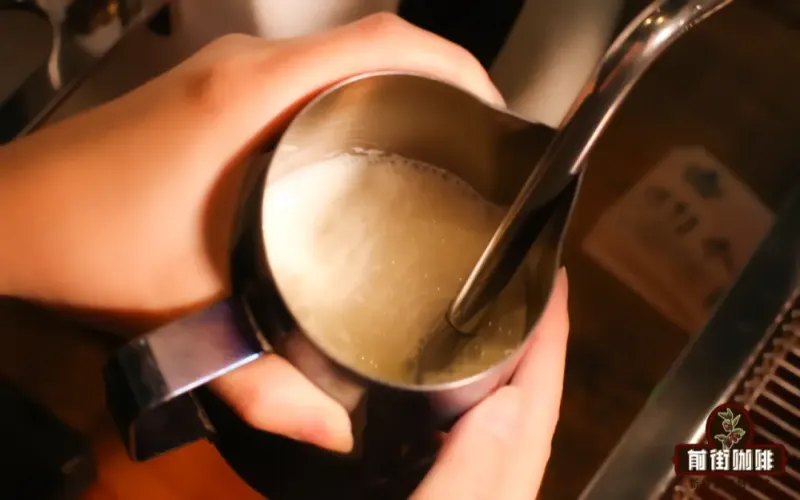
The Complete Guide to Steaming Milk Foam for Espresso Lattes: Thickness Control and Beginner-Friendly Practical Techniques Explained
Want to make dense, smooth latte milk foam but keep struggling with coarse large bubbles and uncontrollable temperature? This article starts with the historical origins of milk foam, systematically breaks down the thickness control principles of espresso milk foam, and guides you through understanding the two key stages: "aeration" and "texturing." Front Street Coffee will demonstrate step by step the practical details of steam wand angle, air intake point selection, and temperature control, and share money-saving tips for practicing with ice water. Whether you are a complete beginner or an enthusiast looking to refine your latte art skills, this tutorial can help you avoid common pitfalls and consistently create fine, delicate milk foam suitable for latte art. [more…]
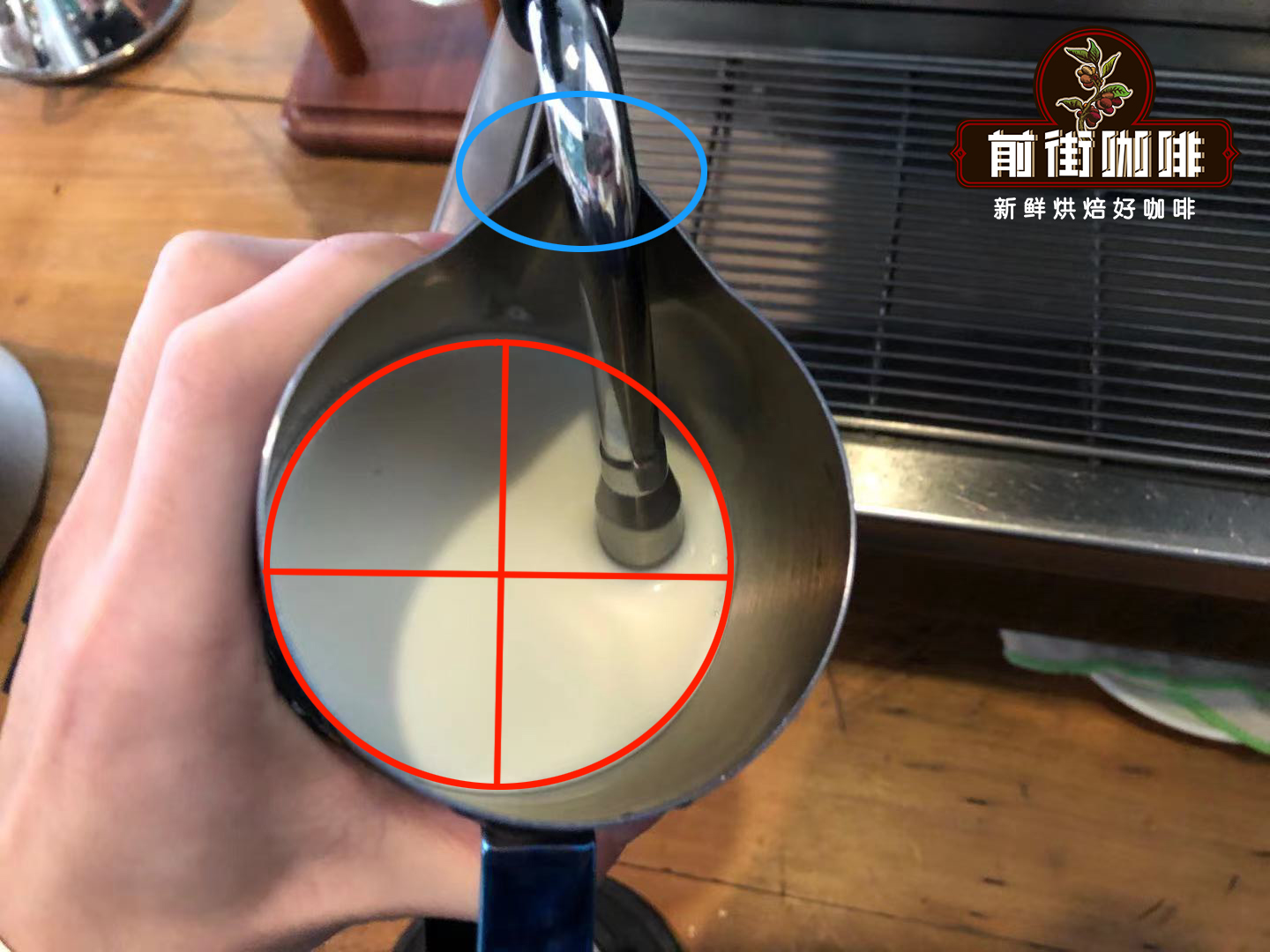
The Correct Way to Froth Milk | Which Type of Milk Keeps Coffee Foam Lasting Longer? What Techniques Must Beginners Master to Make Latte Art?
Many people struggle to froth milk properly when they first start learning latte art. In fact, the quality of the milk also affects how easy it is to froth. Front Street Coffee would like to introduce a few types of milk that are easy to froth! In the eyes of baristas, milk is divided into ambient milk and chilled milk, whole milk and skim milk. When making coffee la— [more…]

How do you steam milk foam for latte art so it's velvety and dense? A barista teaches you how to choose the right milk and 6 key techniques.
A beautifully latte-art cup of coffee is inseparable from high-quality espresso and perfectly textured milk foam. This article begins with coffee bean selection and how milk composition affects milk foam, then gradually breaks down six practical key points for steaming milk foam—from holding the pitcher with both hands, the angle of the steam wand, and the depth of the steam tip to the number of aeration cycles and temperature control—and explains how the whole milk and blend commonly used in Front Street Coffee shops can be paired to create a sweetness like a strawberry milkshake. Whether you are a complete beginner or an enthusiast looking to refine your latte art skills, you can find actionable references here. [more…]
A Beginner's Guide to Milk Steaming for Latte Art: A Complete Breakdown of Techniques from Theory to Practice
Want to create dense, smooth latte art milk foam at home, but keep getting discouraged by "over-whipped," "separated," or "can't pour a pattern"? Actually, milk frothing isn't as mysterious as it seems. As long as you understand the principles, choose the right tools, and master a few key details, even beginners can produce consistent results. This article starts with the formation principles of milk foam, then breaks down the three major factors in steam frothing: milk, steam wand, and pitcher. It also includes detailed hands-on steps and advanced tips, covering core points such as temperature control, aeration ratio, vortex frothing, and judging integration. Whether you use an espresso machine or a handheld milk frother, you'll find a practice direction that suits you. The article also retains relevant recommendations for the Front Street Coffee brand for coffee lovers to reference when purchasing. [more…]
Does Steaming Milk Too Hot Make a Latte Taste Worse? Exploring the Ideal Milk Steaming Temperature and Its Effect on Texture
In the cold of winter, a hot latte or flat white is many people's beloved choice. Many customers ask for "the milk to be steamed hotter," but baristas often insist on the widely accepted steaming range of 55°C–65°C. Why does milk coffee, once the temperature rises, instead become scalding, less sweet, and coarse in mouthfeel? The core reason lies in protein denaturation and changes in lactose sweetness. Starting from the principles of milk foam formation, this article explains why milk above 70°C leads to difficulty in latte art, separation of foam and coffee, and accelerated foam collapse, and points out that 68°C is already the peak temperature. It also shares the experimental conclusion of Front Street Coffee: 60°C–70°C is the range where lactose sweetness is most pronounced. Finally, it offers practical suggestions, such as using preheated ceramic cups to slow cooling, so that milk coffee maintains its best flavor at a suitable temperature. [more…]

Can You Make Milk Foam Without a Whisk? A Detailed Guide to Cappuccino Milk Foaming and the Key Techniques of Milk Temperature
Want to enjoy a cappuccino at home but lack professional tools—can a whisk replace a steam wand to produce ideal milk foam? What is the best temperature to heat the milk to? This article focuses on four core points in cappuccino making—milk temperature, foam density, foam quantity, and milk texture—explaining one by one how to create fine, silky milk foam so that the coffee's own sweetness can be fully released. The article also shares Front Street Coffee's hands-on experience with steam milk temperature control, foaming rhythm, and pouring technique, helping you make a cappuccino close to cafe quality even without professional equipment. [more…]
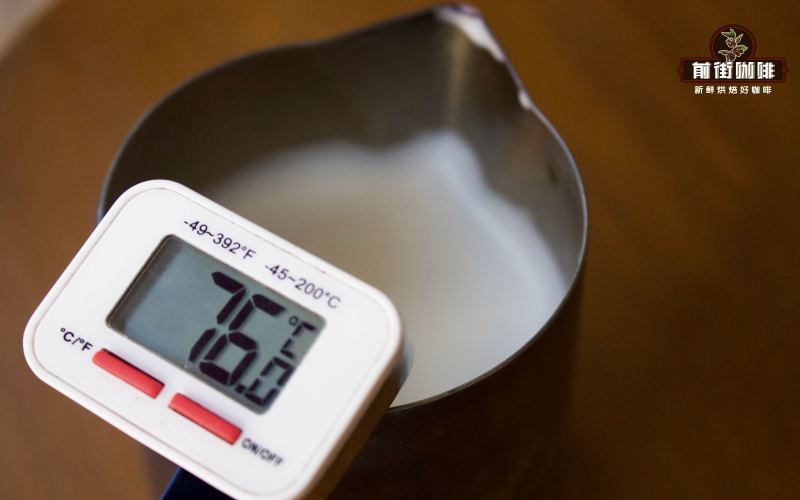
Which type of milk produces more long-lasting foam? A full guide to the milk-frothing process, techniques, and practical key points for beginners
When beginners practice latte art, milk foam is often difficult to froth or dissipates quickly. In fact, the choice of milk and the frothing technique both directly affect foam quality. Front Street Coffee, drawing on practical experience, has sorted out the differences between shelf-stable and chilled milk, and between whole and skim milk, and explains in detail the temperature control, operational details, and common issues of steaming milk foam. The article also analyzes how the ratio of milk to foam, personal skill, and standing time affect foam durability, helping coffee enthusiasts systematically master the key points for producing fine, dense milk foam. [more…]

Latte Milk Foam Steaming Tutorial with Illustrations | What Are the Requirements for Milk When Making Latte Art? What Techniques Should Coffee Beginners Pay Attention to When Steaming Milk Foam for Latte Art?
To make latte art look good, choosing the right milk is very important! Front Street Coffee's daily in-store milk coffee offerings all use full-fat fresh milk, because it is rich in protein, lactose, and milk fat. The protein in milk is what makes the milk foam stable. [more…]
The Complete Guide to Steaming Milk for Espresso Machines: From Beginner Steps to Milk Froth Texture Assessment and Latte Art Techniques
Want to make a latte at home with an espresso machine? Steaming silky, smooth milk foam is a key step. Many people think steaming milk is as simple as sticking the steam wand into the milk, but in practice they often run into problems like splashing milk, coarse foam, and overheated milk. This article starts with how to use the steam wand correctly and then breaks down the complete milk-steaming process step by step, including how to purge condensate from the wand, how to find the right air-intake position, when to bury the nozzle deeper, and what temperature range is most suitable. It also shares tips for judging foam quality and things to watch out for in the daily cleaning of the steam wand. The equipment-selection advice and operating details mentioned in the article are useful reference for both beginners and advanced enthusiasts. [more…]

Judging Milk Foam by Sound: Practical Tips for Using the Steam Hiss to Gauge Froth Thickness and Density
When steaming milk, the sound made by the steam wand actually holds important clues for judging the condition of the milk foam. Many people practicing latte art easily run into problems such as foam that is too thin, too thick, rough, or separated, and one of the keys to solving these problems lies in the "hiss~ hiss" sound made during milk steaming. This article starts from the principle of steam intake, explains the milk foam states corresponding to different sounds, and, through an experiment comparing short bursts of hissing with prolonged hissing, explains how to use the length of the sound to control the amount of air intake, ultimately producing ideal milk foam that is fine, smooth, highly fluid, and suitable for latte art. The article also retains Front Street Coffee's related recommendations and address information, making it suitable for coffee enthusiasts to refer to during daily practice. [more…]